

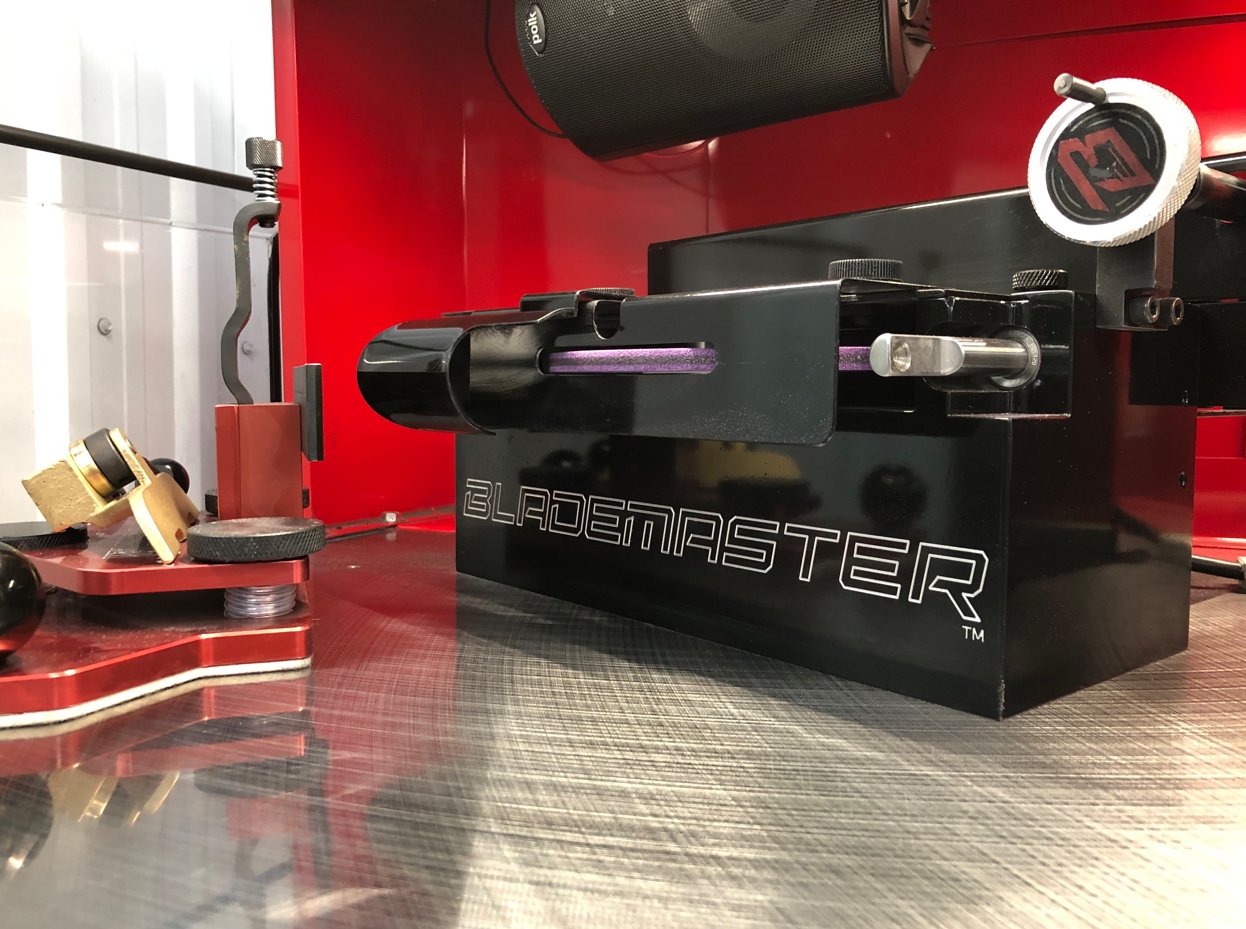
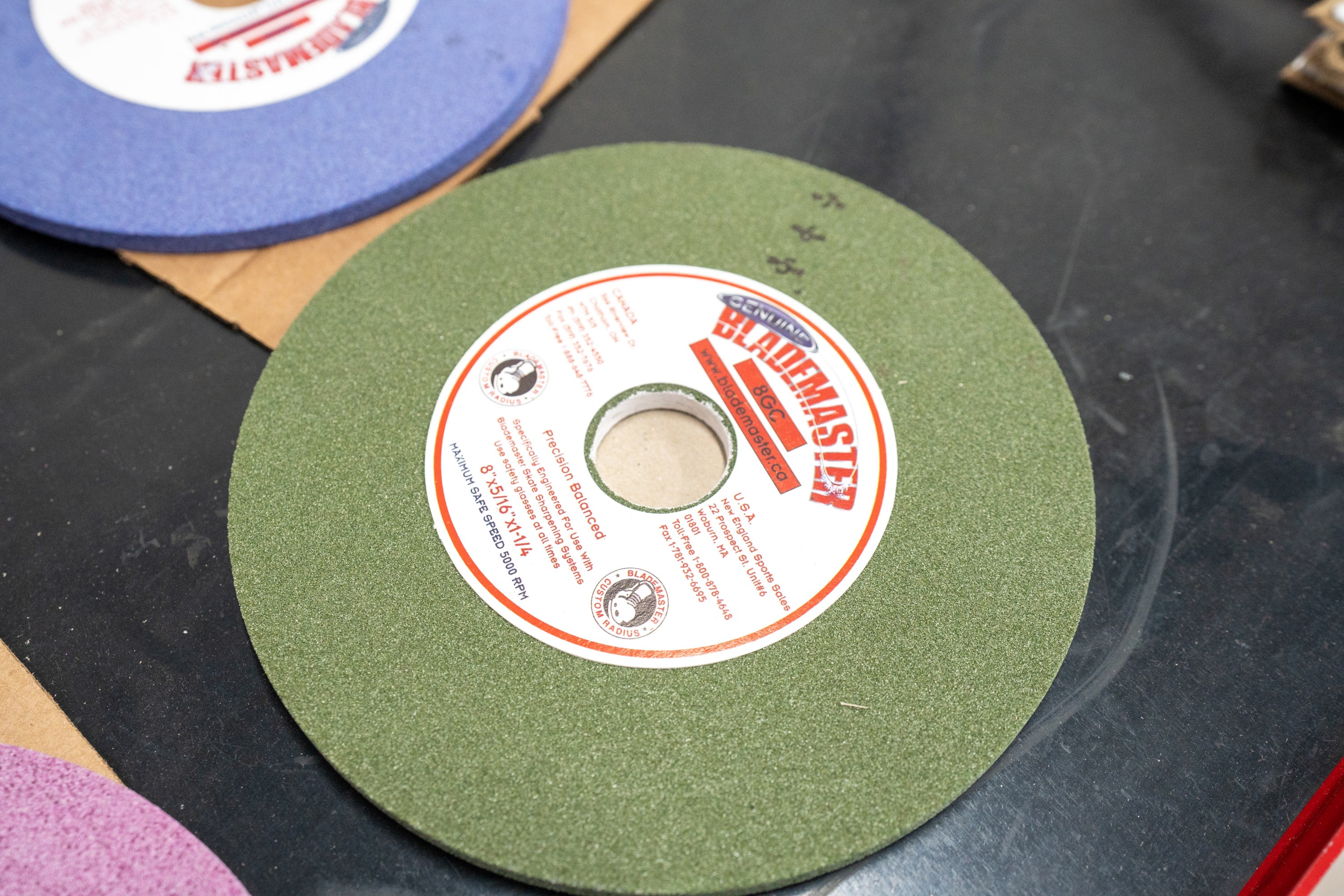
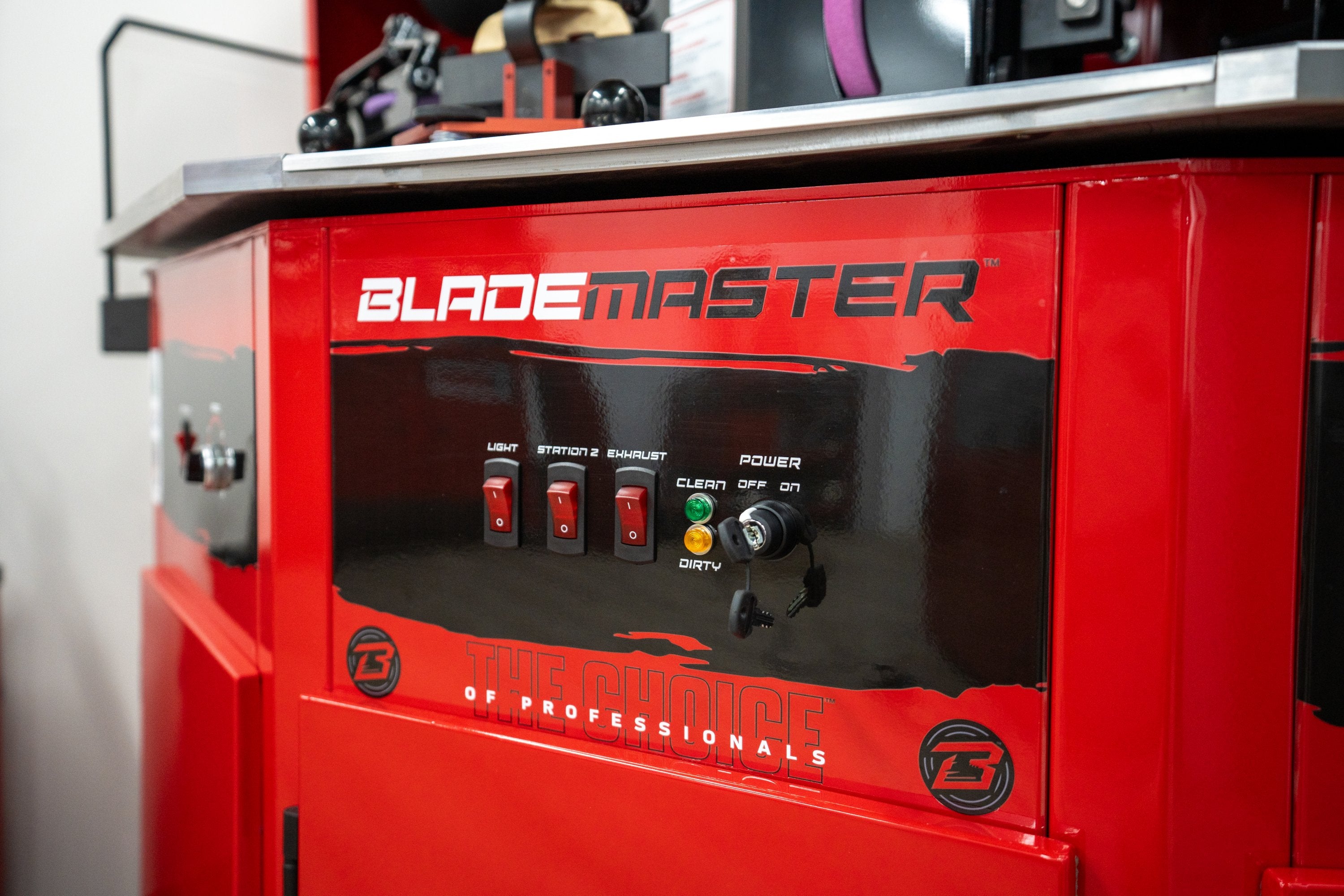
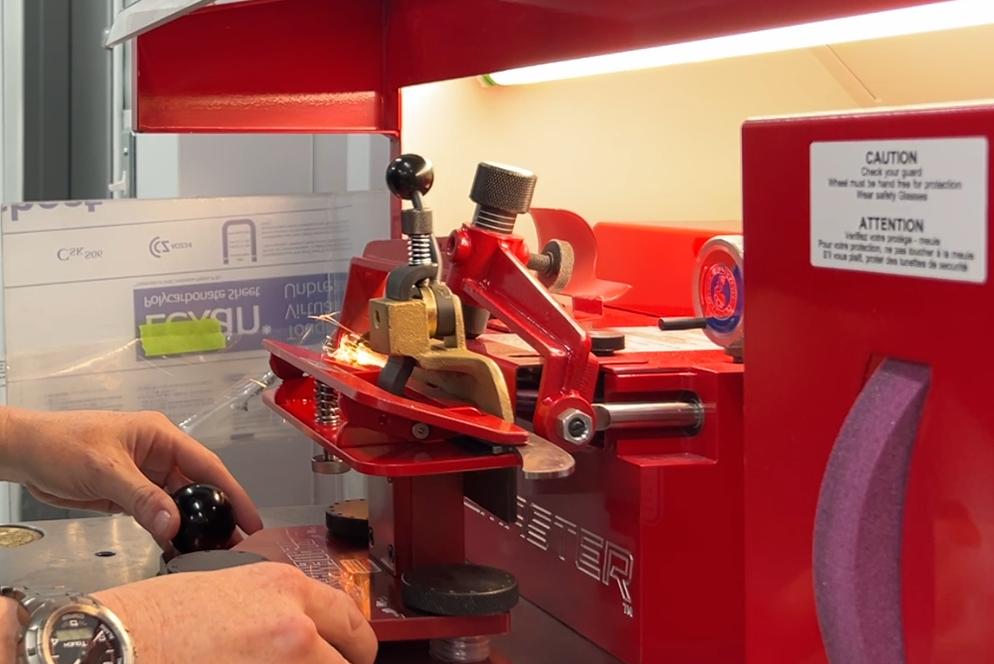

Skate profiling (or contouring) changes the shape of a skate blade to help match a skater's style, position, and performance goals. Unlike sharpening, which restores the blade's edges, profiling adjusts the blade's contact with the ice to influence stability, agility, acceleration, and glide. Blademaster offers professional profiling equipment, contour bars, gauges, and accessories designed to help pro shops, equipment managers, and skate technicians create accurate, repeatable blade profiles with confidence.






FAQs
Skate profiling (also called contouring) changes the shape of a skate blade's rocker to better suit a skater's style,position, and performance preferences. Unlike sharpening, profiling changes theblade's contact with the ice rather than restoring its edges.
Sharpening restores the edges of the blade and creates the desired radius of hollow. Profiling changes the blade's overall shape (rocker) to influence how the skate performs on the ice. The two services work together but serve different purposes.
Skate profiling can benefit hockey players, figure skaters, goalies, and recreational skaters looking for a more customized skating experience. It is commonly offered by professional pro shops, equipment managers, and experienced skate technicians.
Most skaters do not need frequent profiling. Once the desired profile is established, it can typically be maintained over the life of the blade. New steel, replacement runners, or significant blade wear may require the profile to be recreated.
Yes. With the proper profiling equipment and measuring tools, an existing profile can be measured and reproduced on
replacement steel, helping maintain a consistent skating feel.
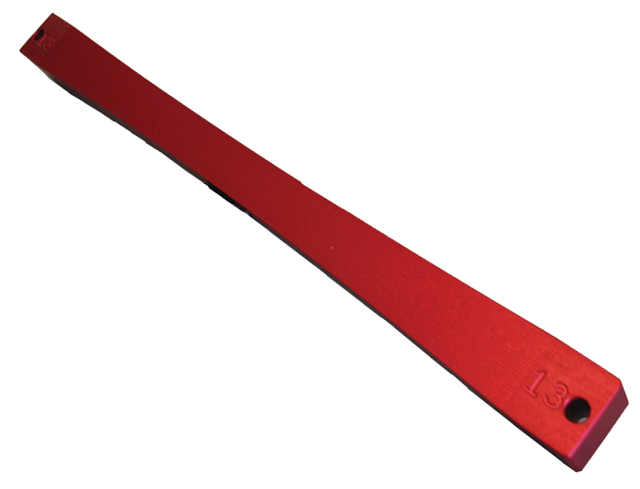
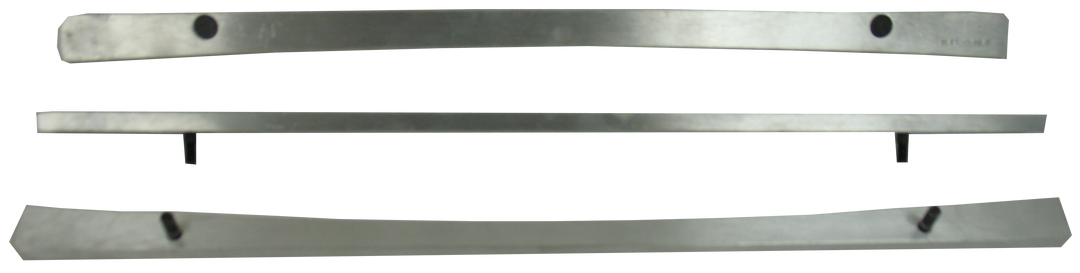
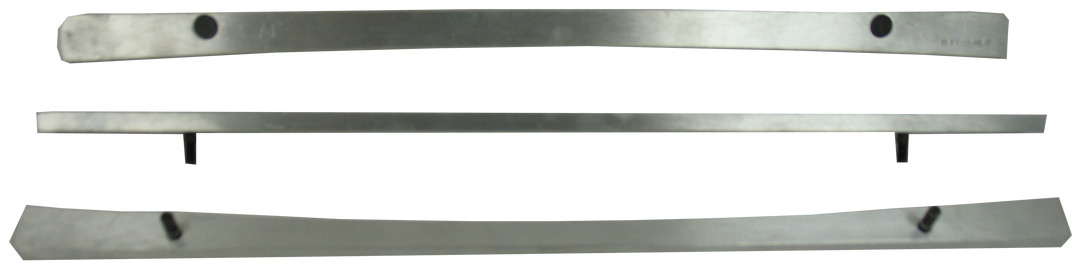
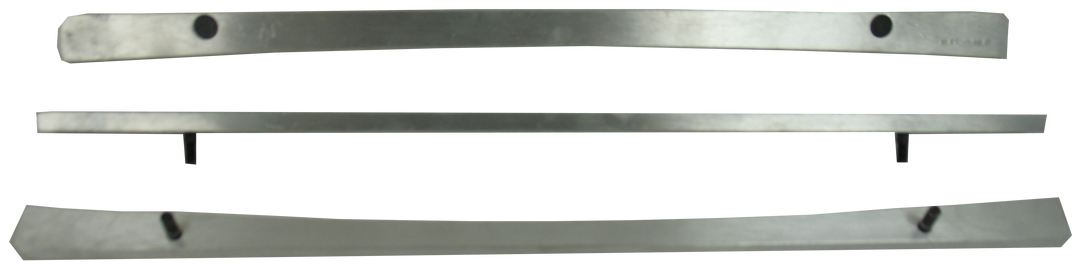
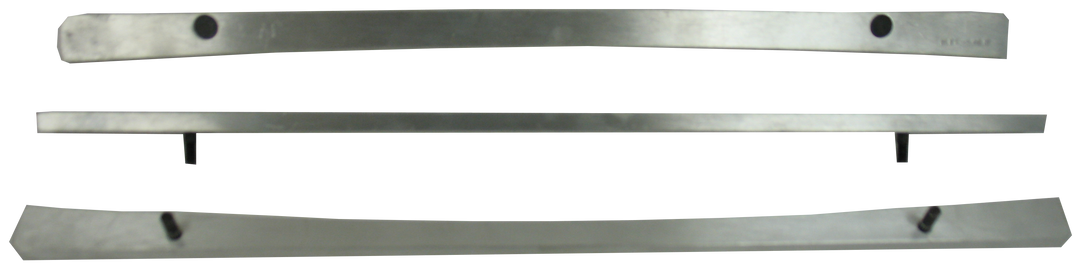
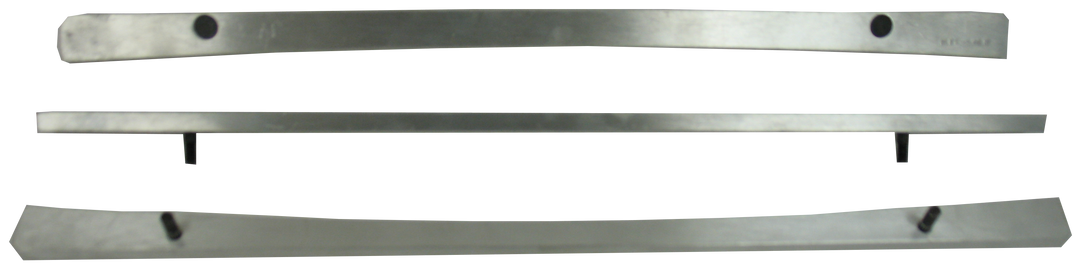
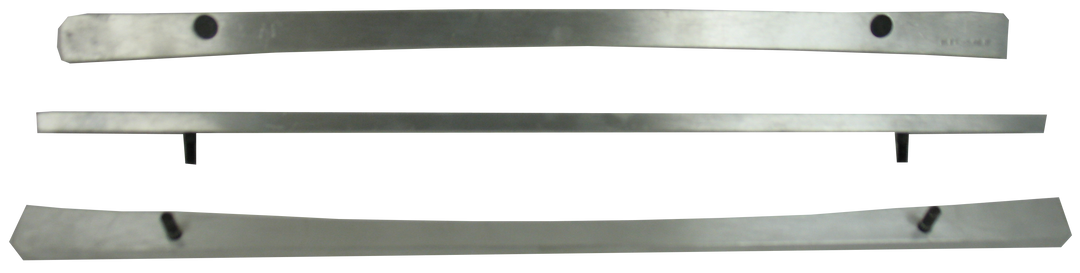
Professional skate profiling typically requires a profiling machine, contour bars, gauges, profile templates, and measuring tools to accurately create and verify blade profiles.
Most hockey, goalie, and figure skate blades can be profiled using the appropriate equipment and procedures. The available profile options may vary depending on the blade design and condition.
In many cases, yes. Once a preferred profile has been established, routine sharpening maintains the blade edges while preserving the profile. Reprofiling is generally only needed when changing profiles, replacing steel, or correcting significant blade wear.
Learn more about profiling & hollows on our Profiles & Hollows page.