


How a Skate Is Sharpened: Equipment, Process andTools Explained
Whether you're a parent sharpening skates at home, an equipment manager maintaining a team's gear, or a professional skate technician working in a pro shop, every skate sharpening follows the same basic process.
Understanding how a skate is sharpened helps explain why different pieces of equipment are used, how they work together, and what affects the final edge on the ice.
What Is Skate Sharpening?
Skate sharpening is the process of grinding a hollow into the bottom of a skate blade to create two sharp edges. These edges help players grip the ice for skating, turning, stopping and accelerating.
Over time, skate blades become dull through normal use. Sharpening restores the edges and helps maintain consistent performance on the ice.
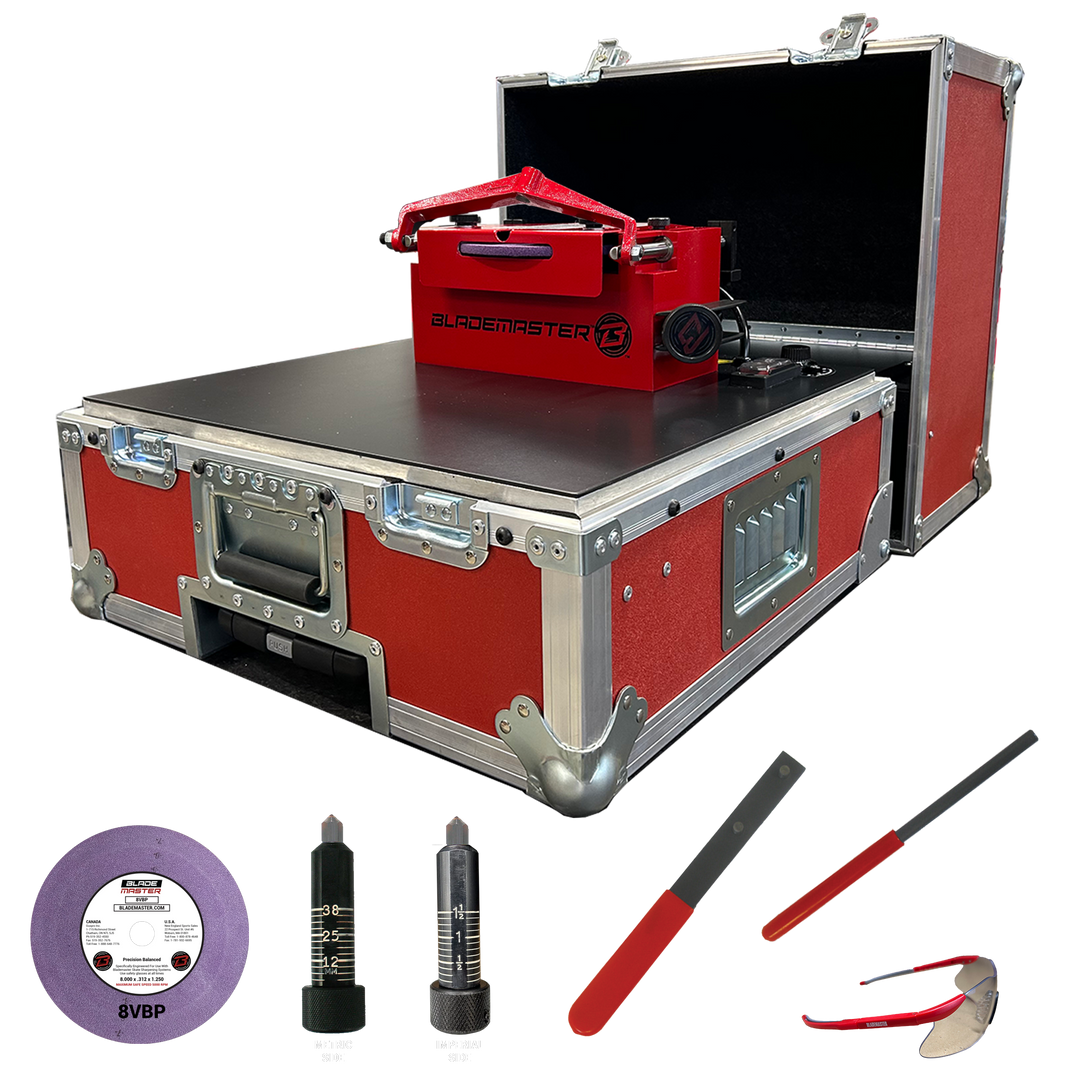
A basic skate sharpening setup typically includes:
- A skate sharpening machine
- A skate holder
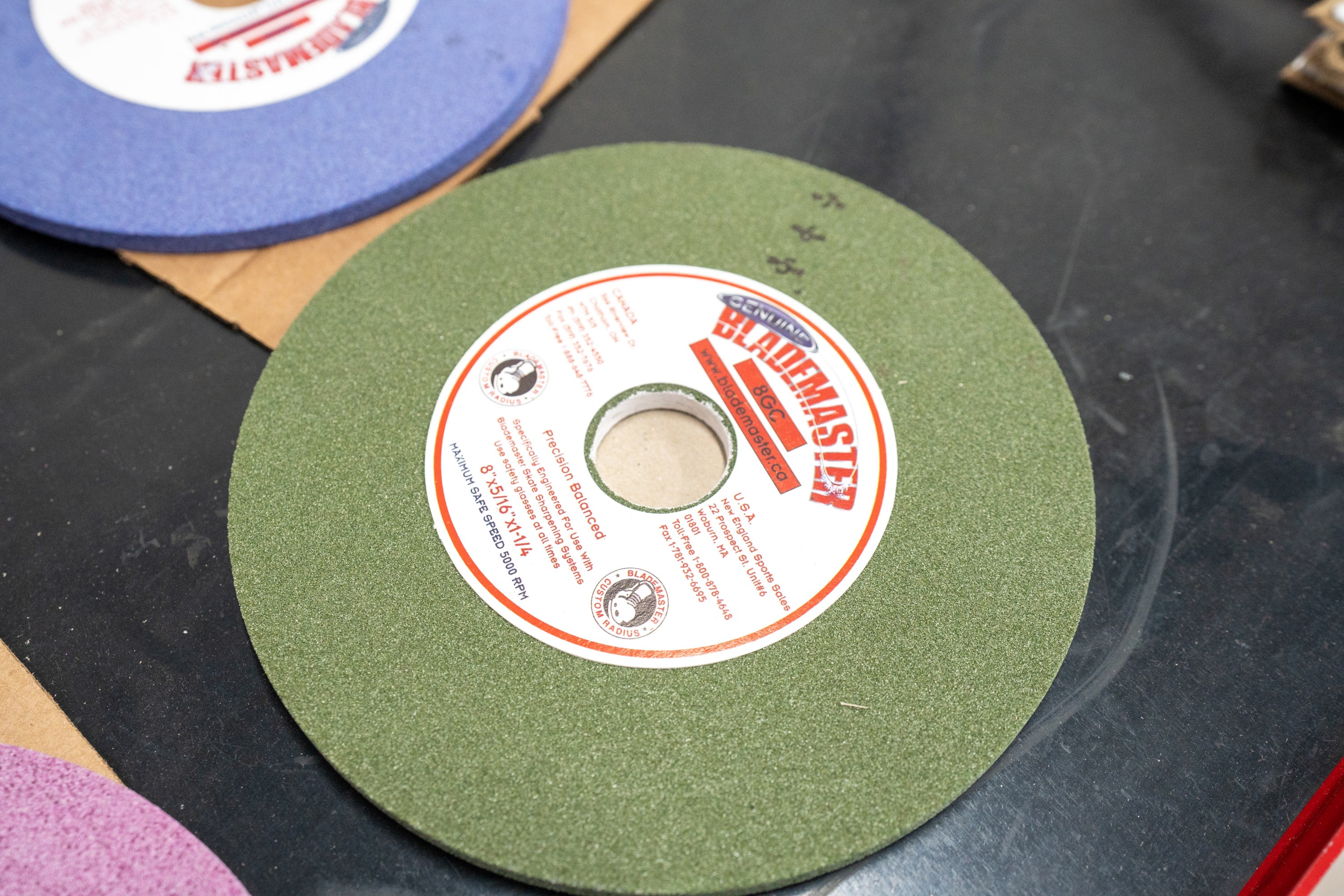
- A grinding wheel
- A diamond dresser
- Honing and finishing tools
Each component plays a specific role in the sharpening process.
Step 1: Secure the Skate in a Precision Holder
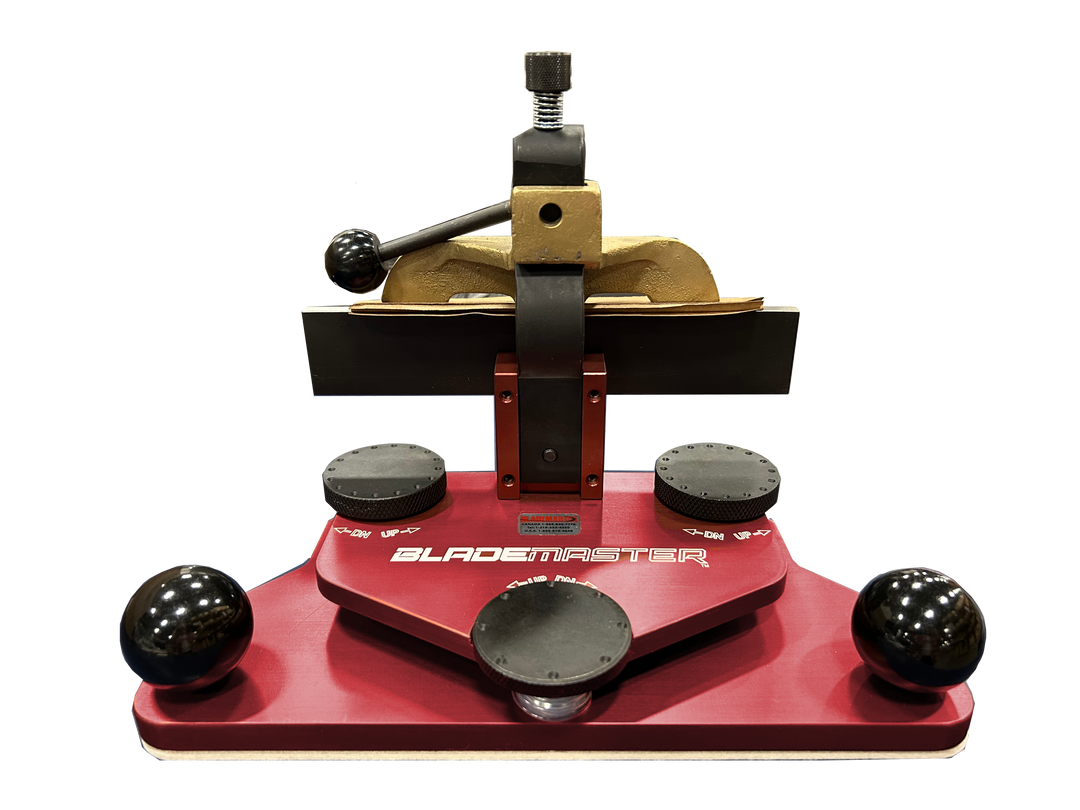
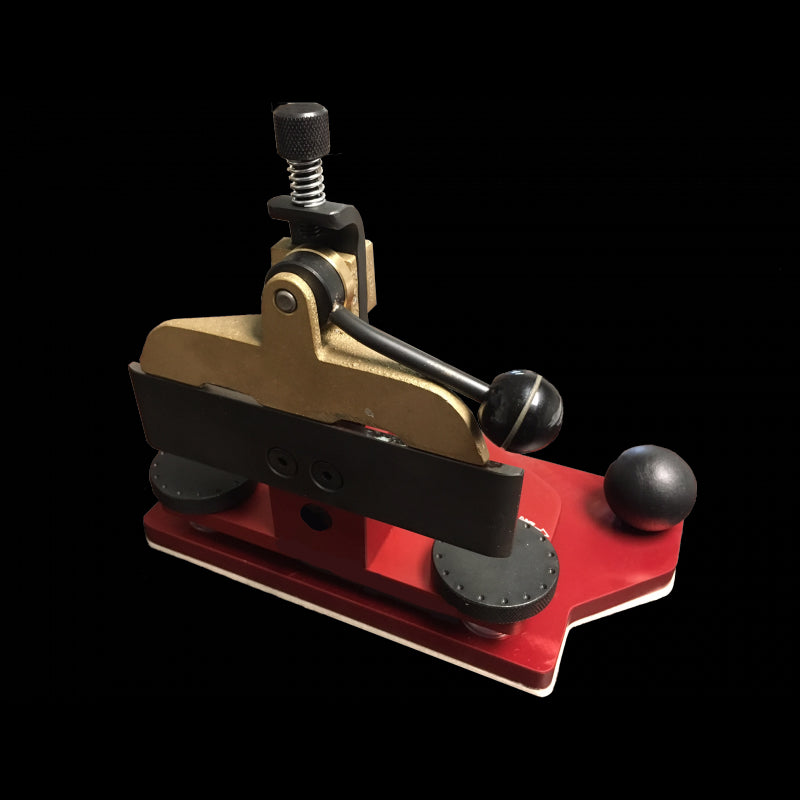
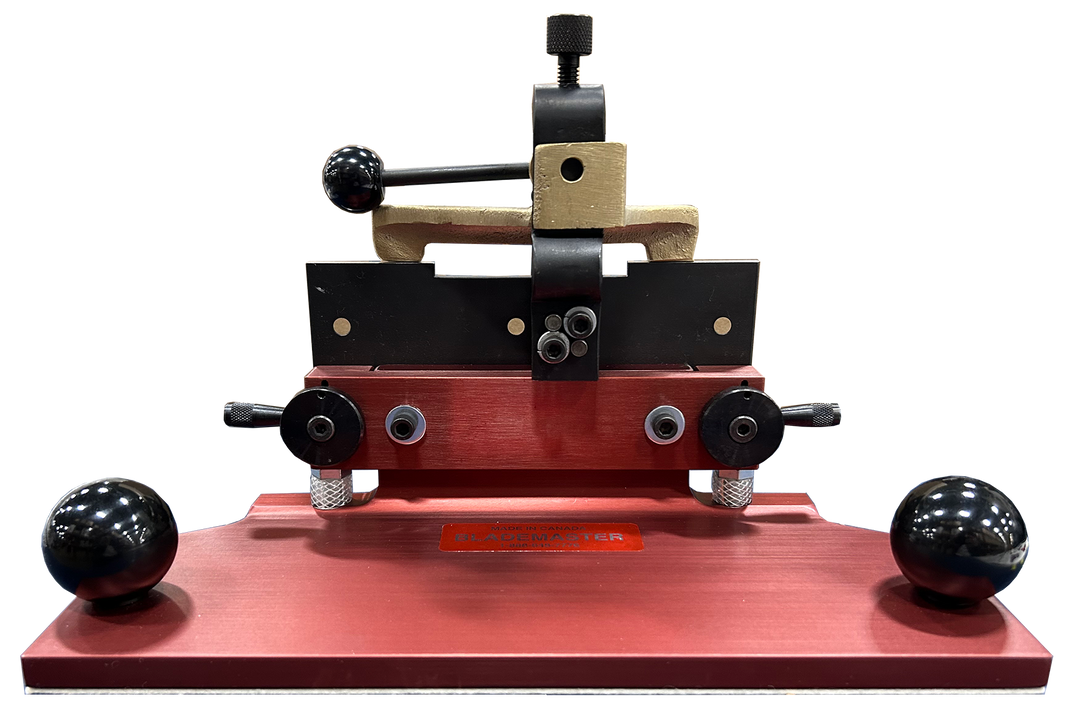
Before sharpening begins, the skate must be secured in a skate holder.
The holder keeps the blade stable and aligned while it passes across the grinding wheel. Consistent positioning is important because even small variations can affect edge quality and blade symmetry.
Different skate holders are available for:
- Hockey skates
- Goalie skates
- Figure skates
- Childrens and Youth skates
The skate holder is one of the most important components in achieving repeatable sharpening results.
Precision Skate Holders
View all



Step 2: Dress the Grinding Wheel
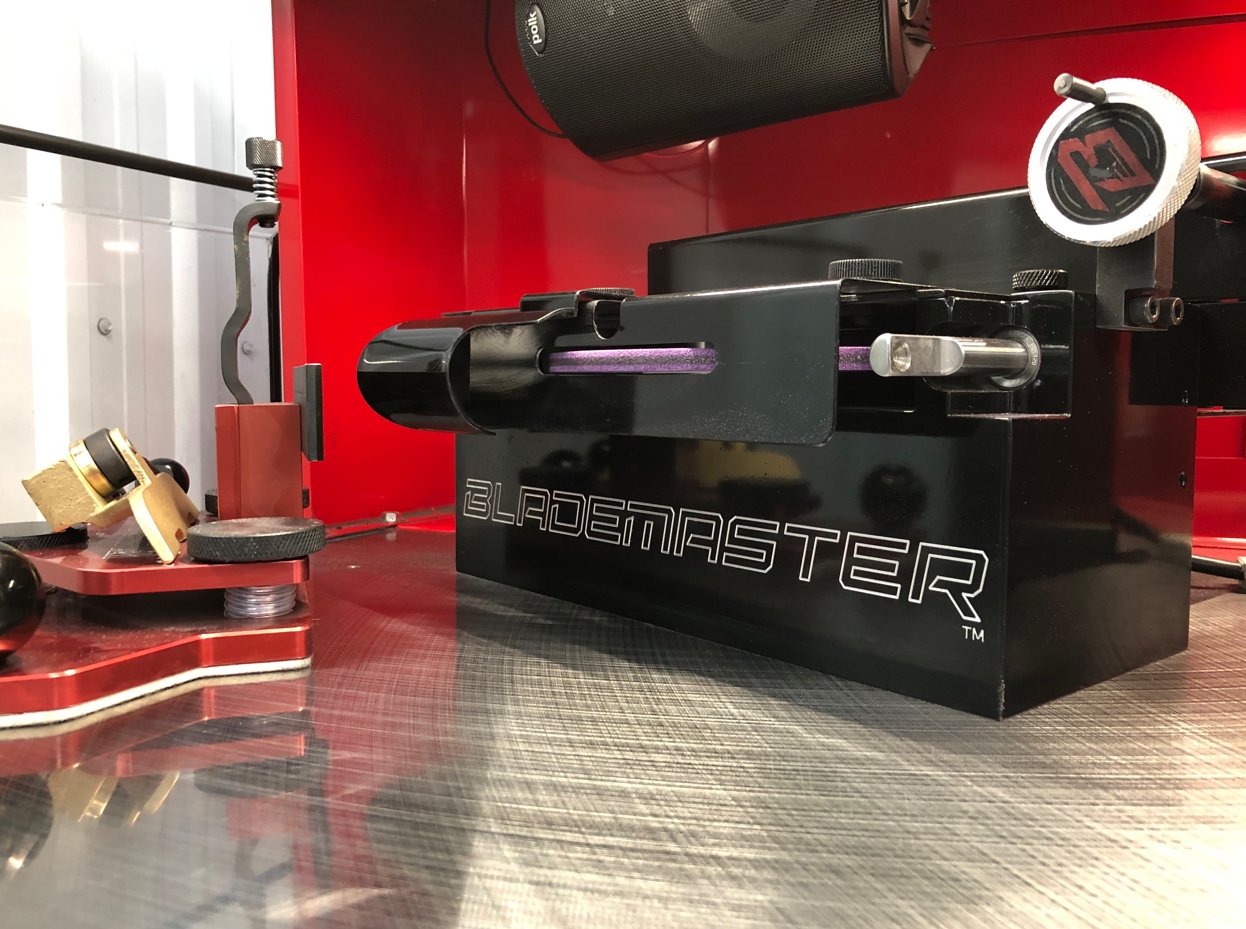
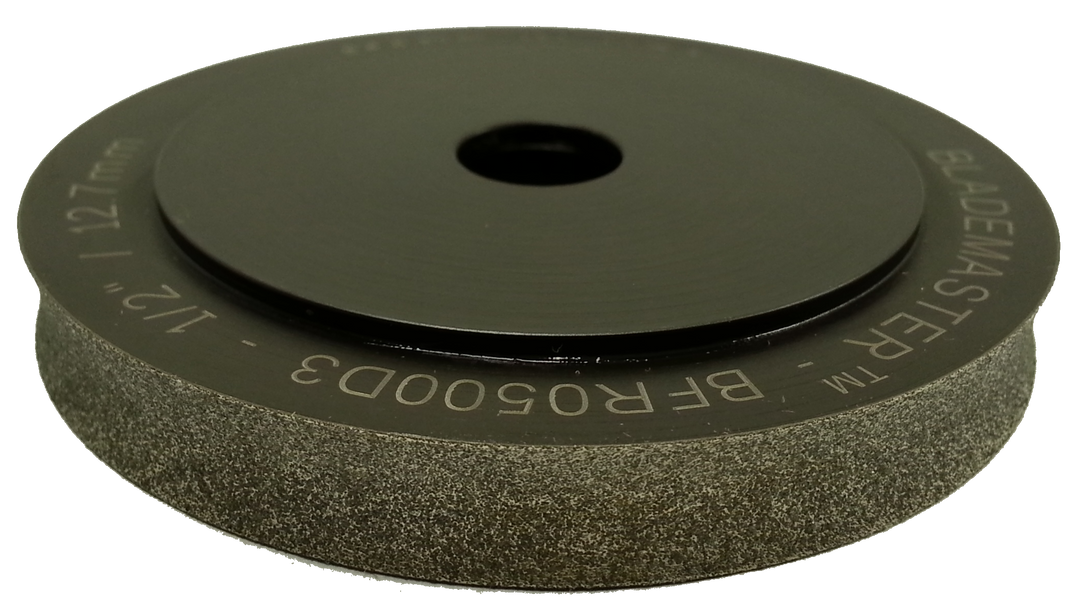
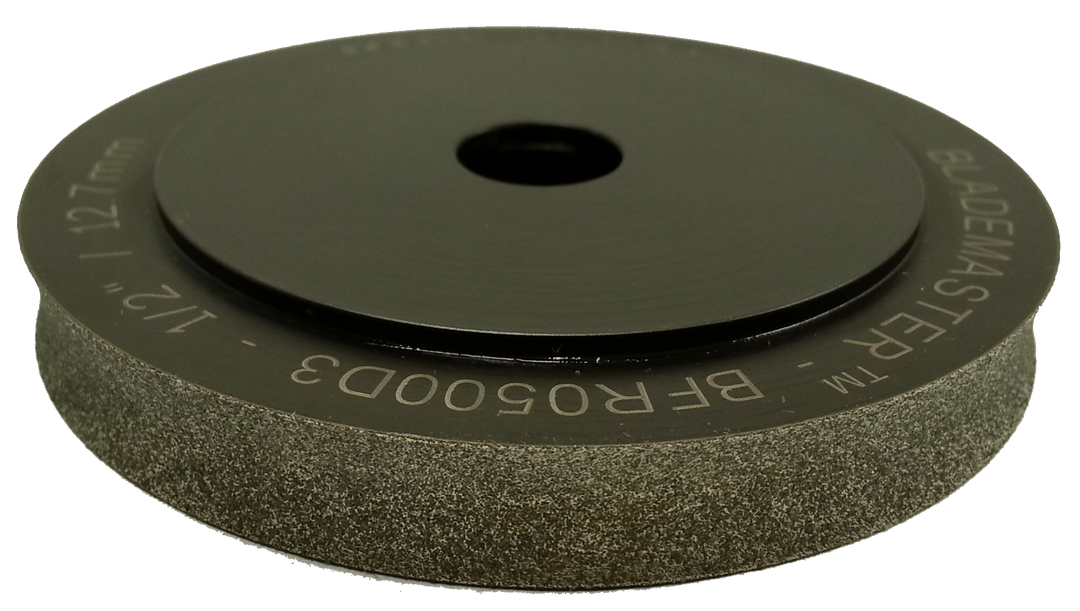
Before a skate can be sharpened, the grinding wheel must be shaped to the desired Radius of Hollow (ROH).
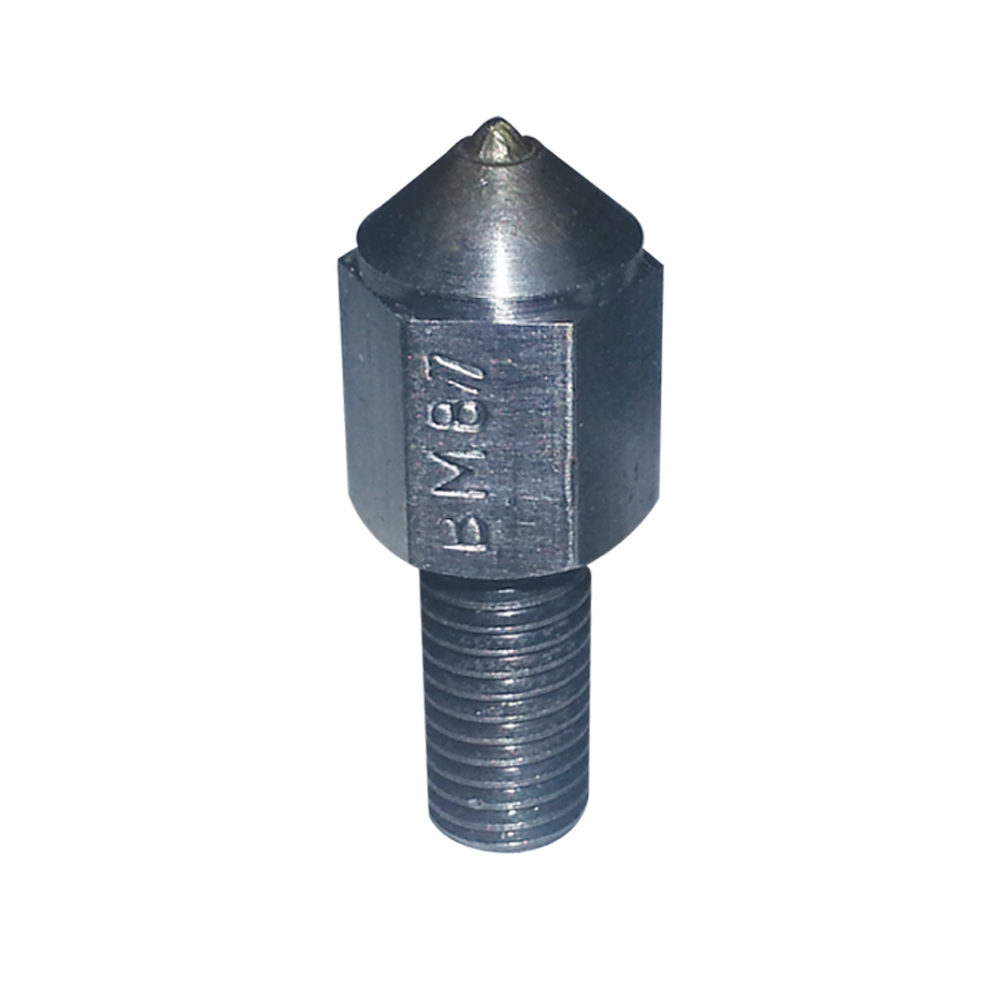
This is done using a diamond dresser.
The diamond dresser cuts a profile into the grinding wheel that matches the hollow being sharpened into the skate blade.
For example:
- 3/8" Radius of Hollow
- 1/2" Radius of Hollow
- 5/8" Radius of Hollow
- 3/4" Radius of Hollow
Because the wheel creates the hollow, the accuracy of the wheel dressing process directly affects sharpening consistency.
Related Equipment
Equipment Used to Dress the Grinding Wheel
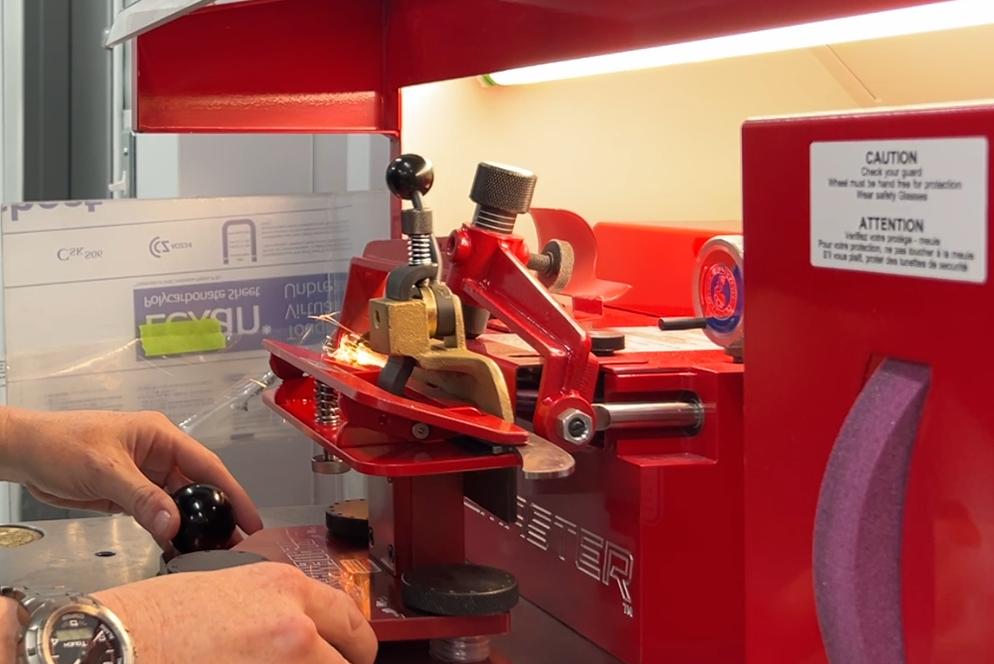
Step 3: Sharpen the Blade
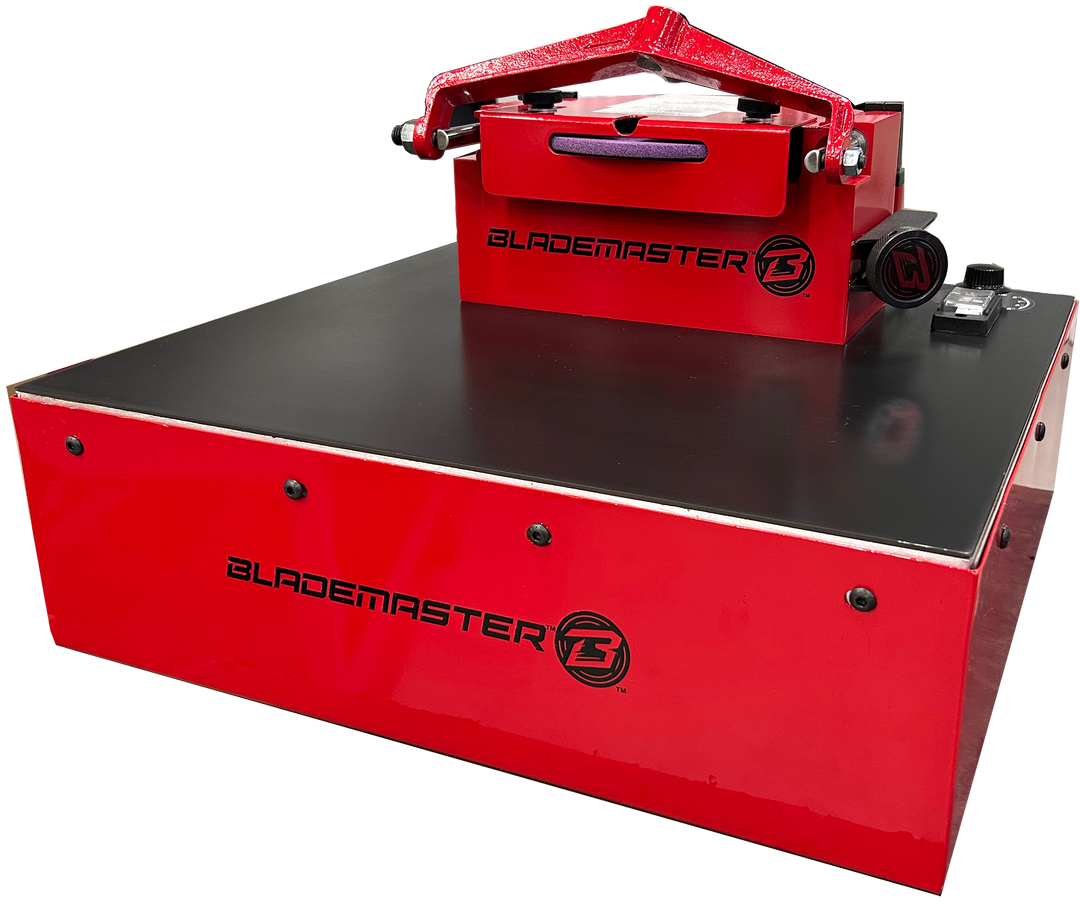
Once the wheel has been dressed, the sharpening process begins.
The blade is passed across the spinning grinding wheel in a controlled motion. The wheel removes a small amount of steel and creates the hollow that forms the skate edges.
The sharpening process restores:
- Edge sharpness
- Hollow consistency
- Blade performance
- Ice grip and control
The amount of steel removed depends on blade condition and sharpening requirements.
Related Equipment
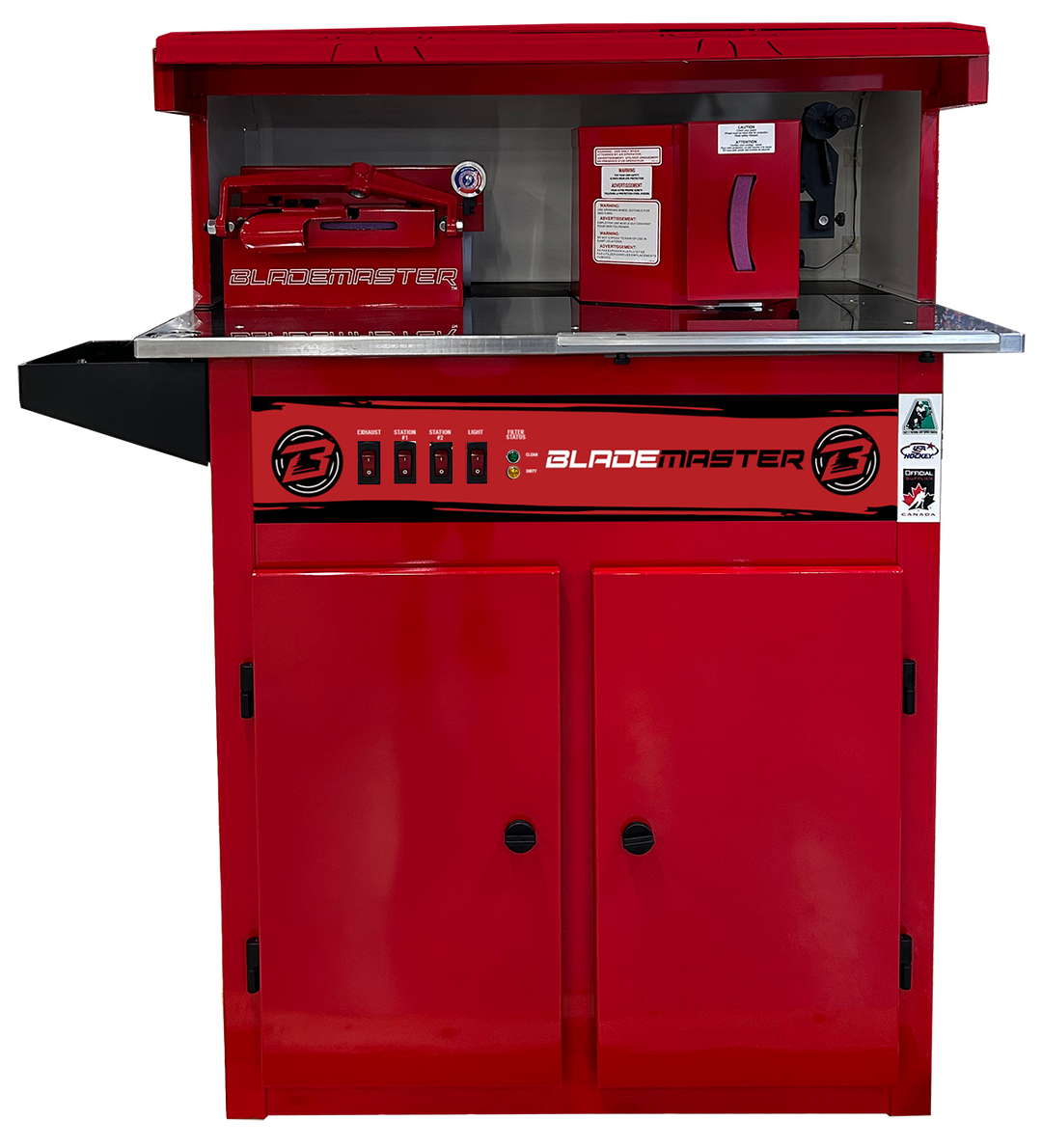
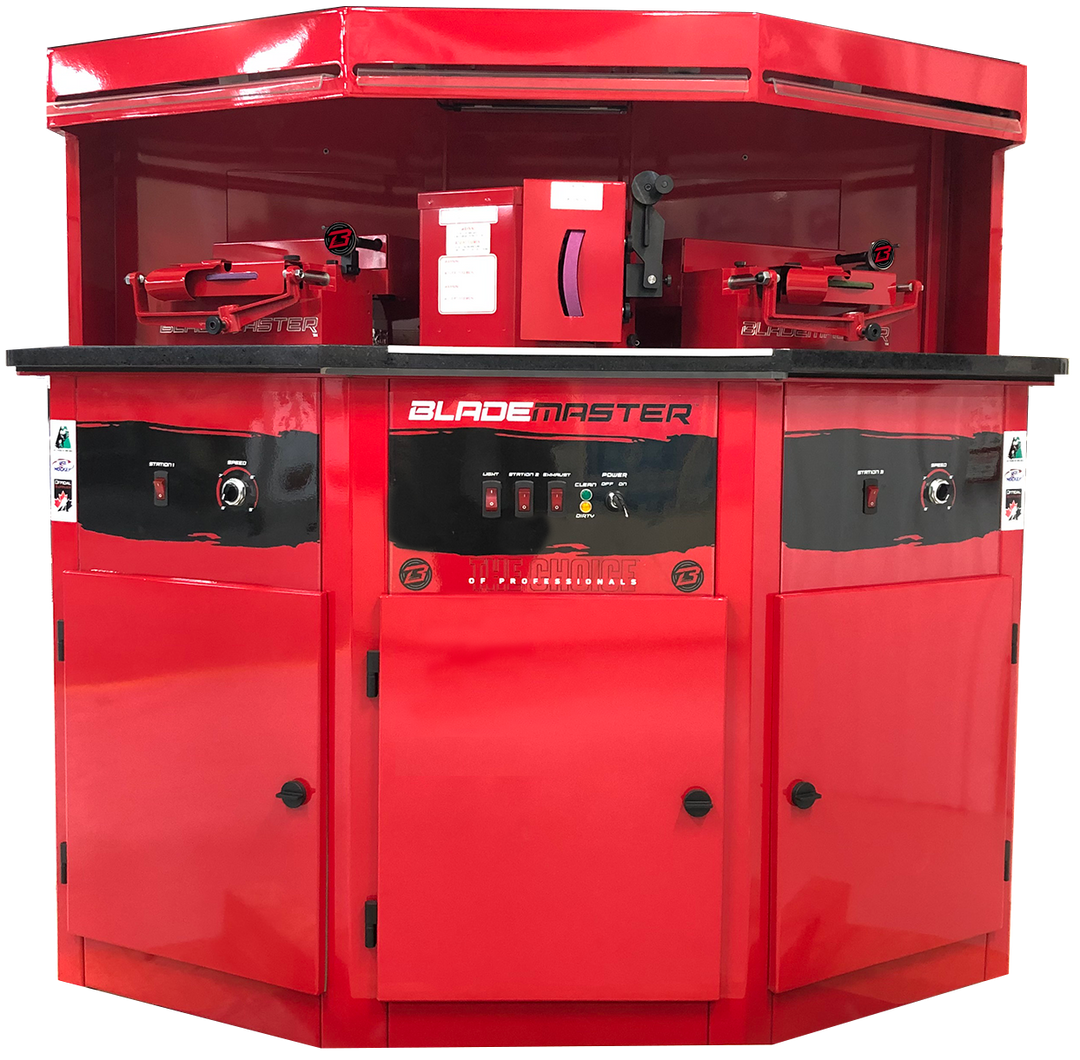
- Manual Skate Sharpening Machines
- Portable Skate Sharpeners
- Professional Skate Sharpeners
- Automated Skate Sharpeners
Skate Sharpening Machines

Step 4: Check Edge Quality
After sharpening, many technicians inspect the blade to verify edge quality. The blade is inspected with gauges and visually.
Checking the blade helps confirm:
- Even edge height (square edges)
- Consistent sharpening
This quality control step is especially important for professional, team and high-volume sharpening environments.
Related Equipment
- Pro-Square Edge Checker
- Integrated In-Process Squareness Gauge
Gauging Tools
View all


Step 5: Remove Burrs and Finish the Blade
The sharpening process creates small burrs along the blade edges. These burrs must be removed before the skate is ready for use.
Technicians use finishing tools such as:
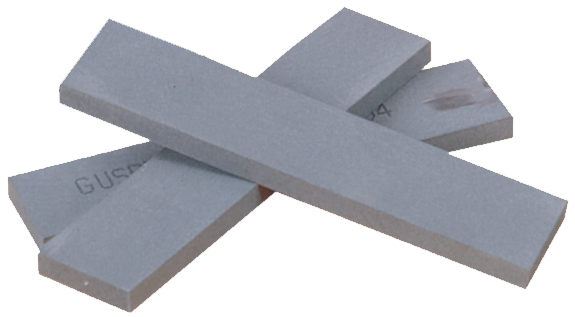
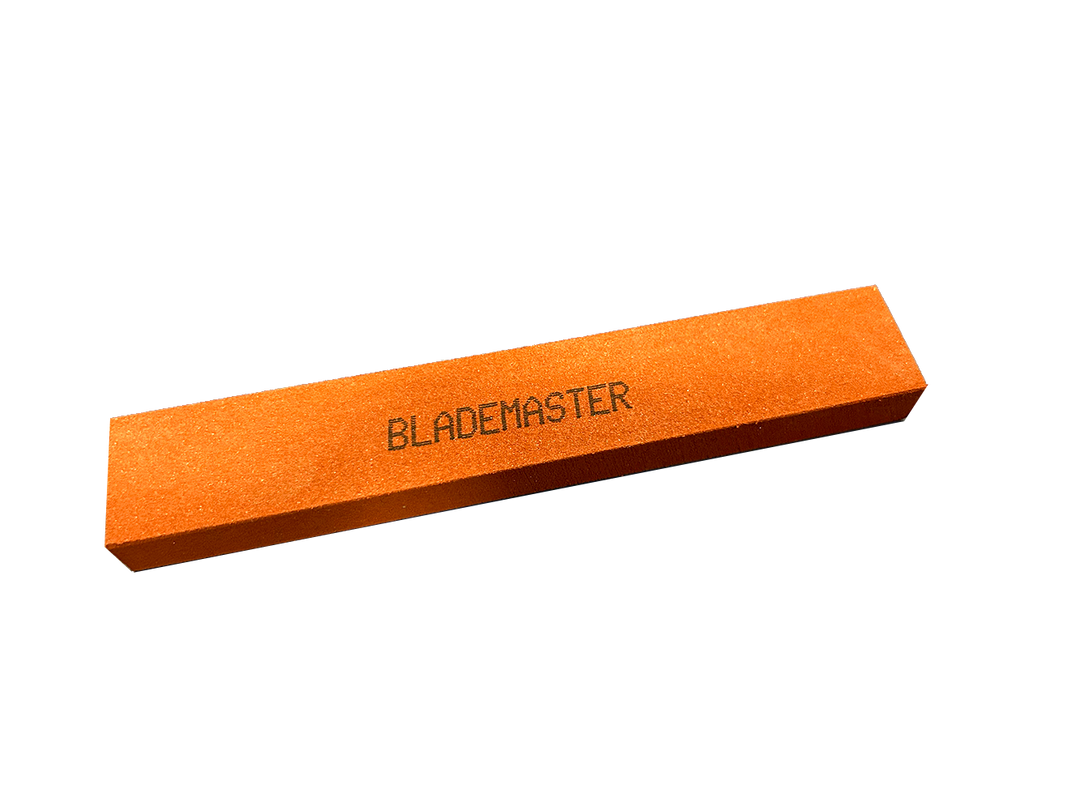
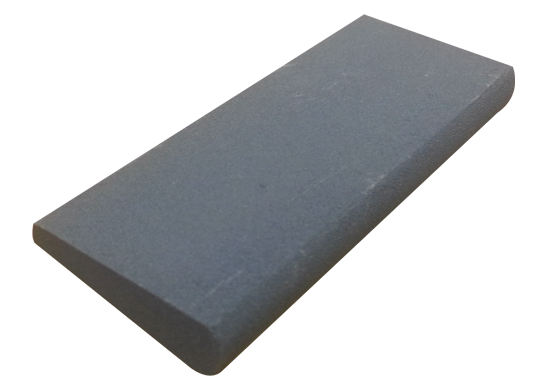
- Hand hones
Proper finishing helps produce a cleaner edge and prepares the blade for the ice.
Related Equipment
- Hand Hones
hand Hones
View all



What Is Cross-Grinding?
Cross-grinding is a separate process used when a blade requires significant correction or preparation before sharpening.
Cross-grinding may be used to:
- Remove damaged steel
- Eliminate inconsistent hollows
- Prepare new steel
- Reset heavily worn blades
After cross-grinding, the skate is normally finished using a standard sharpening wheel.
Related Equipment
- Cross-Grind Wheels
- Direct Drive Cross-Grind Machines
- Combination Sharpening Systems
Cross Grinding accessories & equipment

Skate Sharpening Equipment That Works Together
A skate sharpening machine alone does not create a quality sharpening result.
Successful sharpening depends on the entire system working together:
- Skate Holder
- Diamond Dresser
- Grinding Wheel
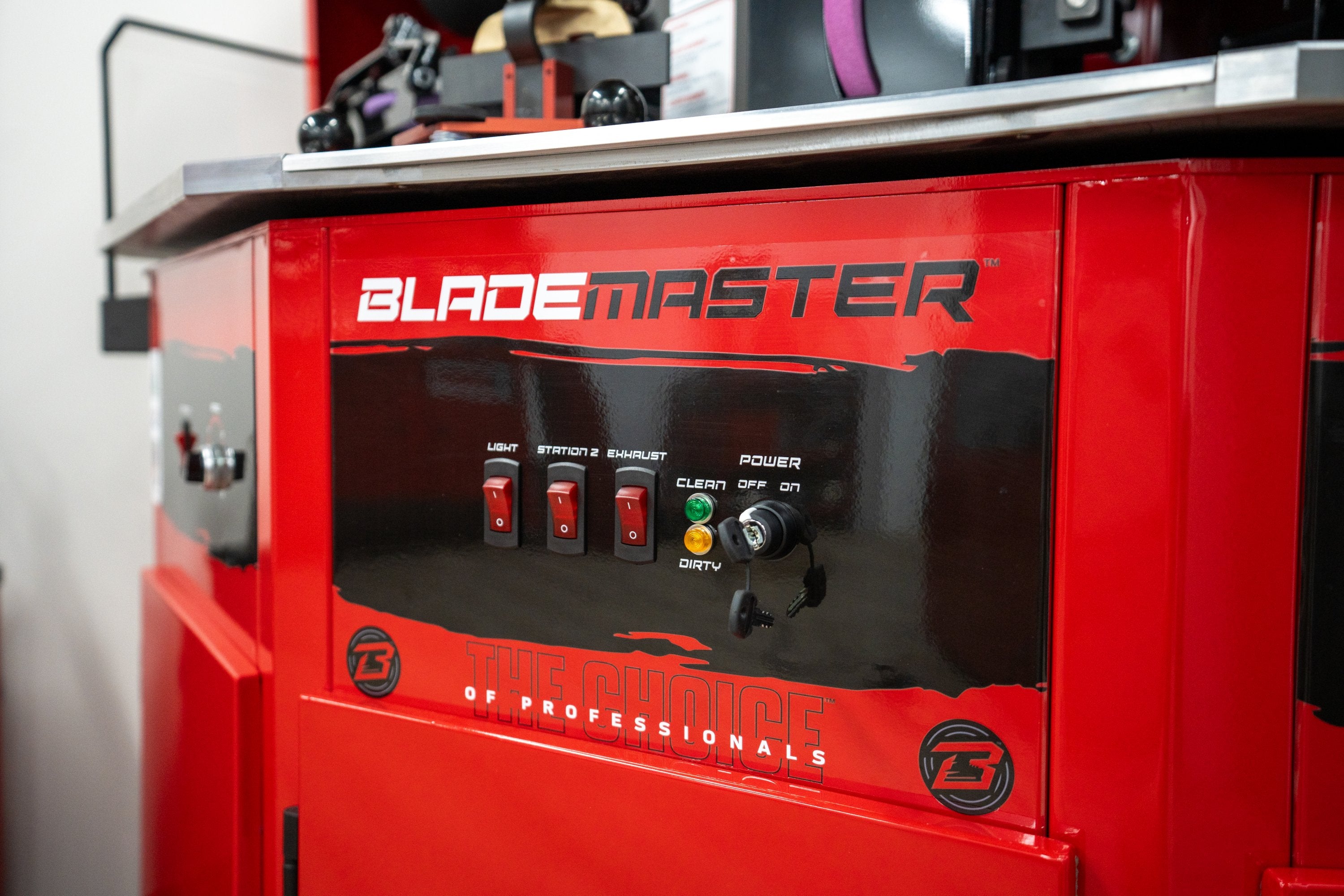
- Sharpening Machine
- Inspection Tools
- Finishing Tools
Each component contributes to the final edge that the player feels on the ice.
What Is Skate Profiling?
Skate profiling is the process of reshaping the contour of a skate blade to match a player's skating style, position, preferences, or performance goals. While sharpening creates the hollow and edges on the bottom of the blade, profiling changes the shape of the blade along its length.
A skate profile can influence:
- Agility and maneuverability
- Stability and balance
- Acceleration and speed
- Forward pitch and skating posture
- Blade contact with the ice
Over time, skate blades can lose their original profile through repeated sharpening. Profiling restores or customizes the blade shape to help players achieve more consistent on-ice performance.
Profiling vs. Sharpening
Many players confuse profiling and sharpening, but they serve different purposes:
| Skate Profiling | Skate Sharpening |
|---|---|
| Changes the shape of the blade along its length | Creates the hollow and edges on the bottom of the blade |
| Affects balance, stability, agility and skating mechanics | Affects grip, bite and glide on the ice |
| Performed occasionally | Performed regularly throughout the season |
| Uses specialized profiling equipment | Uses sharpening machines, grinding wheels and dressers |
For best results, profiling and sharpening work together. A properly profiled blade provides the desired skating characteristics, while sharpening maintains the edges needed for performance on the ice.
Related Equipment
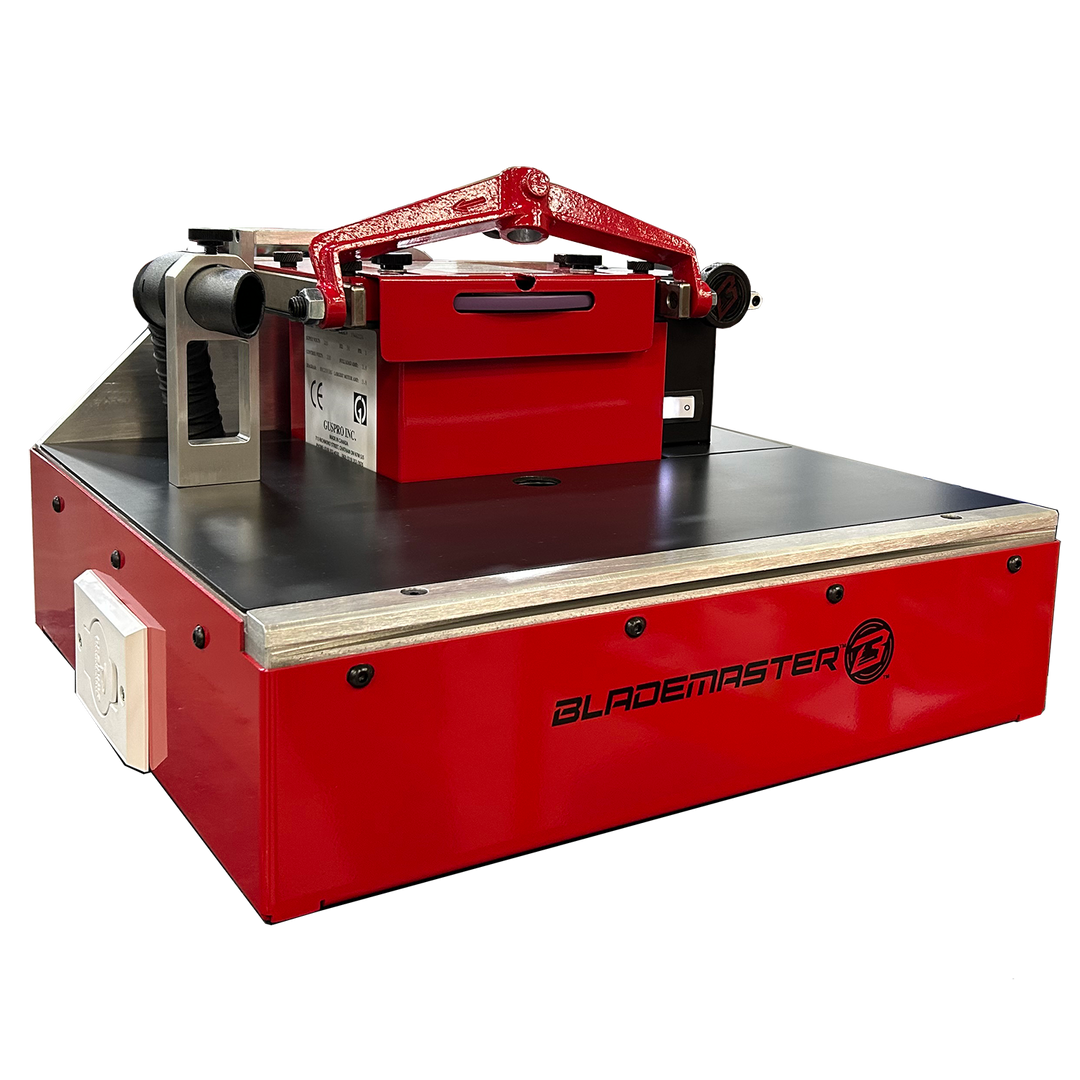
- Contouring Systems
- Profiling Templates and Accessories
- Skate Sharpening Machines that Profile/Contour


Frequently Asked Questions
What equipment is required to sharpen hockey skates?
Most sharpening setups require a skate sharpening machine, a skate holder, a grinding wheel, a diamond dresser and finishing tools.
What does a skate holder do?
A skate holder secures the skate blade during sharpening and helps maintain consistent positioning.
What does a diamond dresser do?
A diamond dresser shapes the grinding wheel to the desired Radius of Hollow before sharpening.
Why are grinding wheels dressed?
Grinding wheels must be dressed so they can accurately create the desired hollow in the blade.
What is cross-grinding?
Cross-grinding is a preparation process used to remove steel, correct blade issues and prepare skates before final sharpening.
Why is honing important?
Honing removes burrs created during sharpening and helps produce a cleaner finished edge.
Are there other products that can improve the skate sharpening process?
Yes. In addition to the sharpening machine, skate holder, grinding wheel and honing tools, lubricants can play an important role in achieving consistent sharpening results.
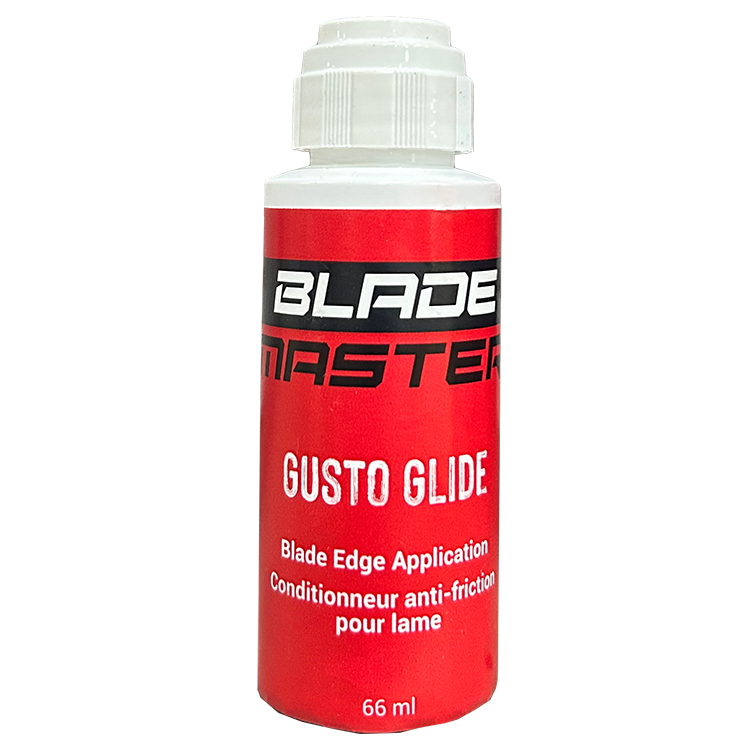
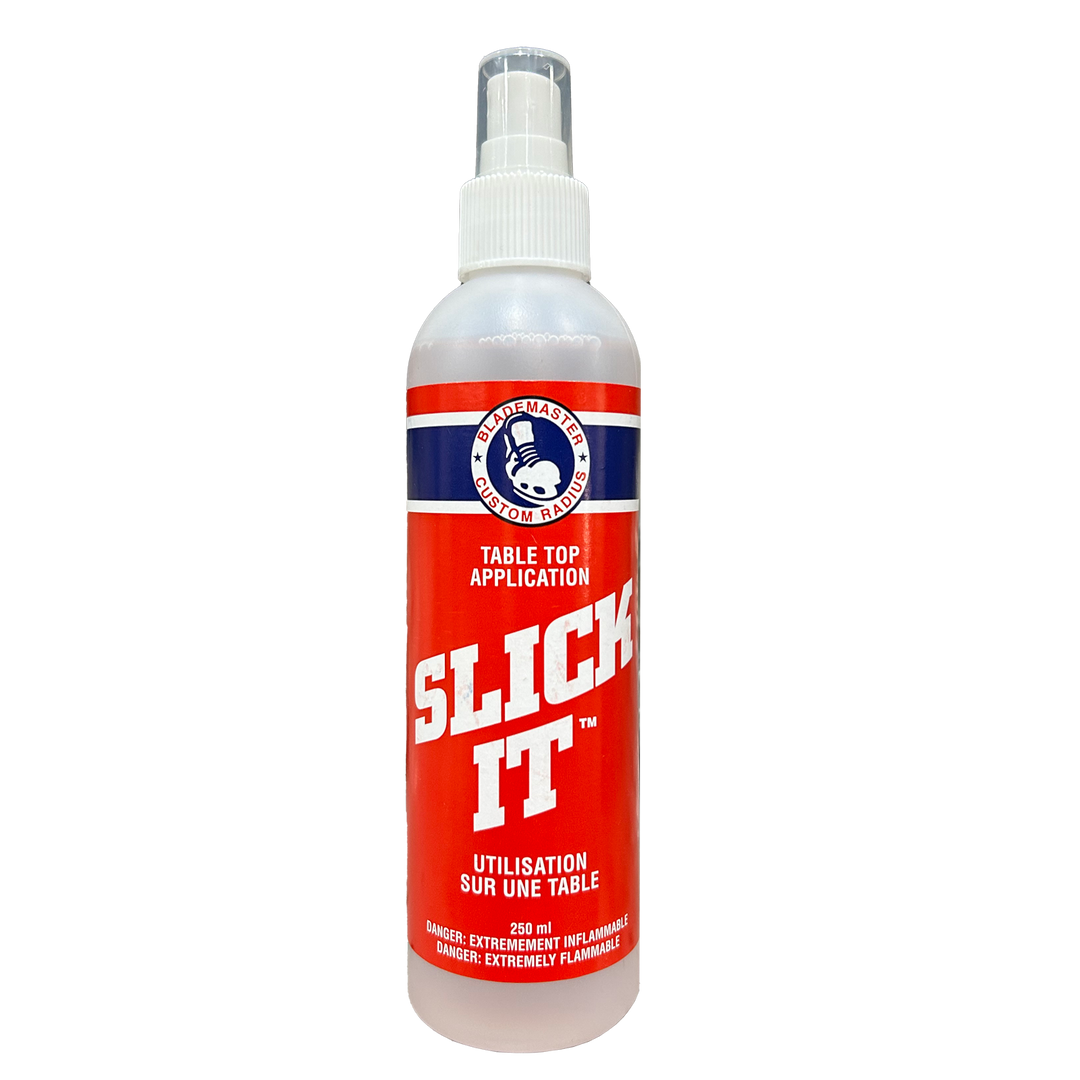
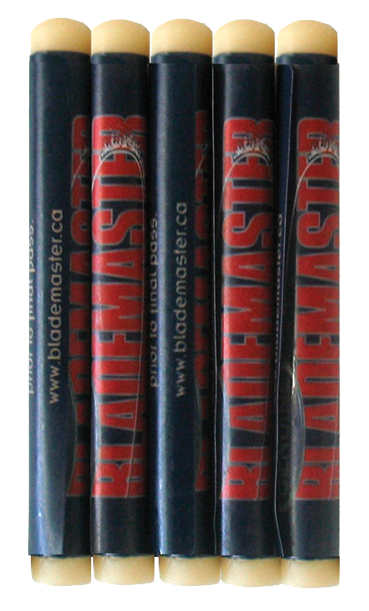
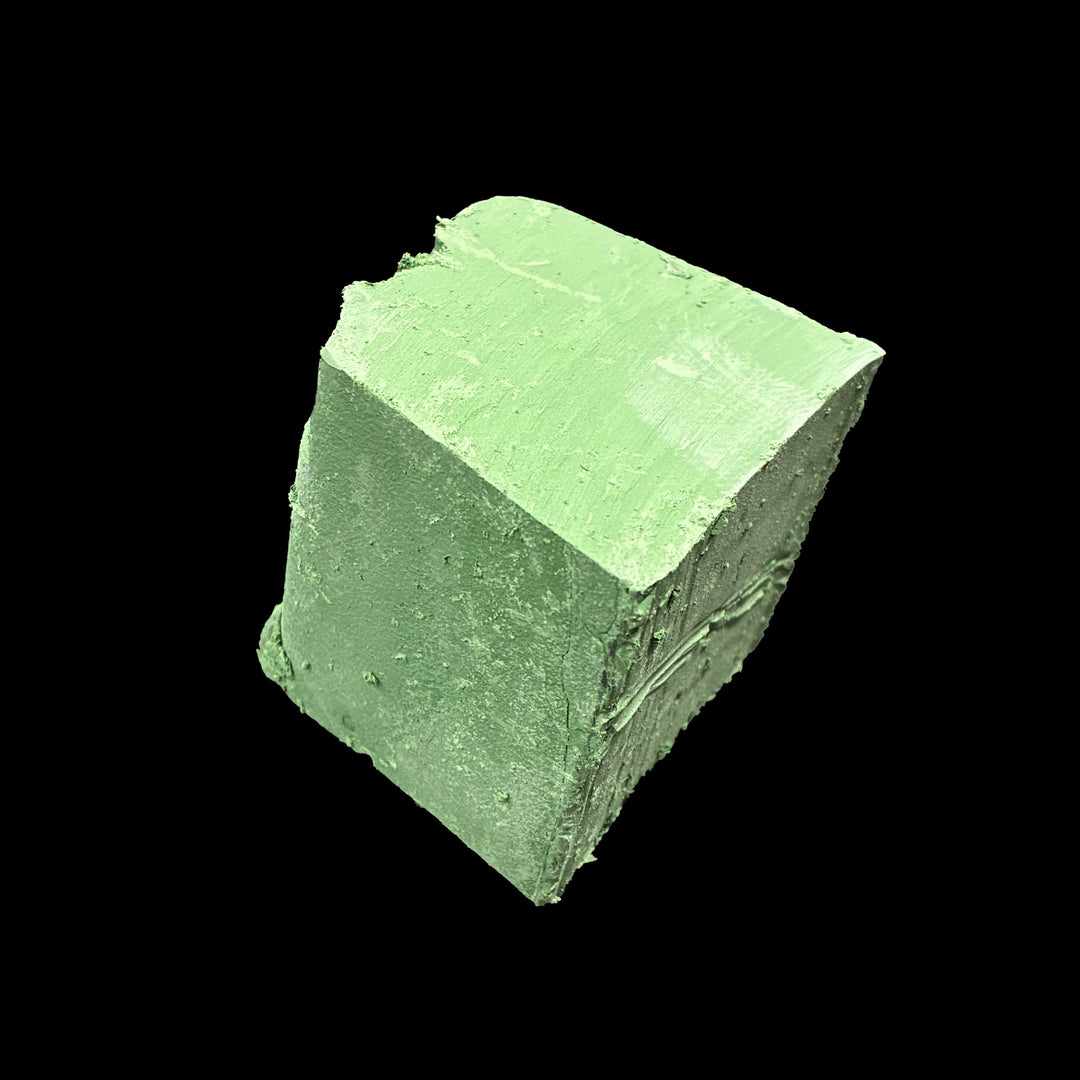
Final-pass lubricants, such as Gusto Glide and Slik Stik, are applied during the last sharpening pass. They help produce a cooler, cleaner sharpen, create a mirror-like finish on the blade edge, and include rust inhibitors to help protect skate steel. Their anti-weld properties also help prevent grinding wheel loading.
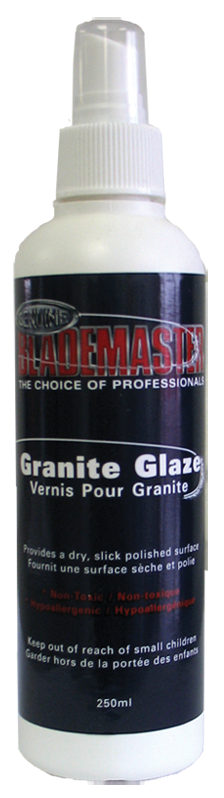
Skate holder lubricants, such as Slick-It and Granite Glaze, are applied to the tabletop surface to reduce friction as the skate holder moves across the machine. This results in smoother passes, improved control over pressure and consistency, reduced operator fatigue, and more repeatable sharpening results—especially in high-volume sharpening environments.
When used properly, lubricants can help improve both sharpening performance and overall sharpening consistency.
Lubricants
View all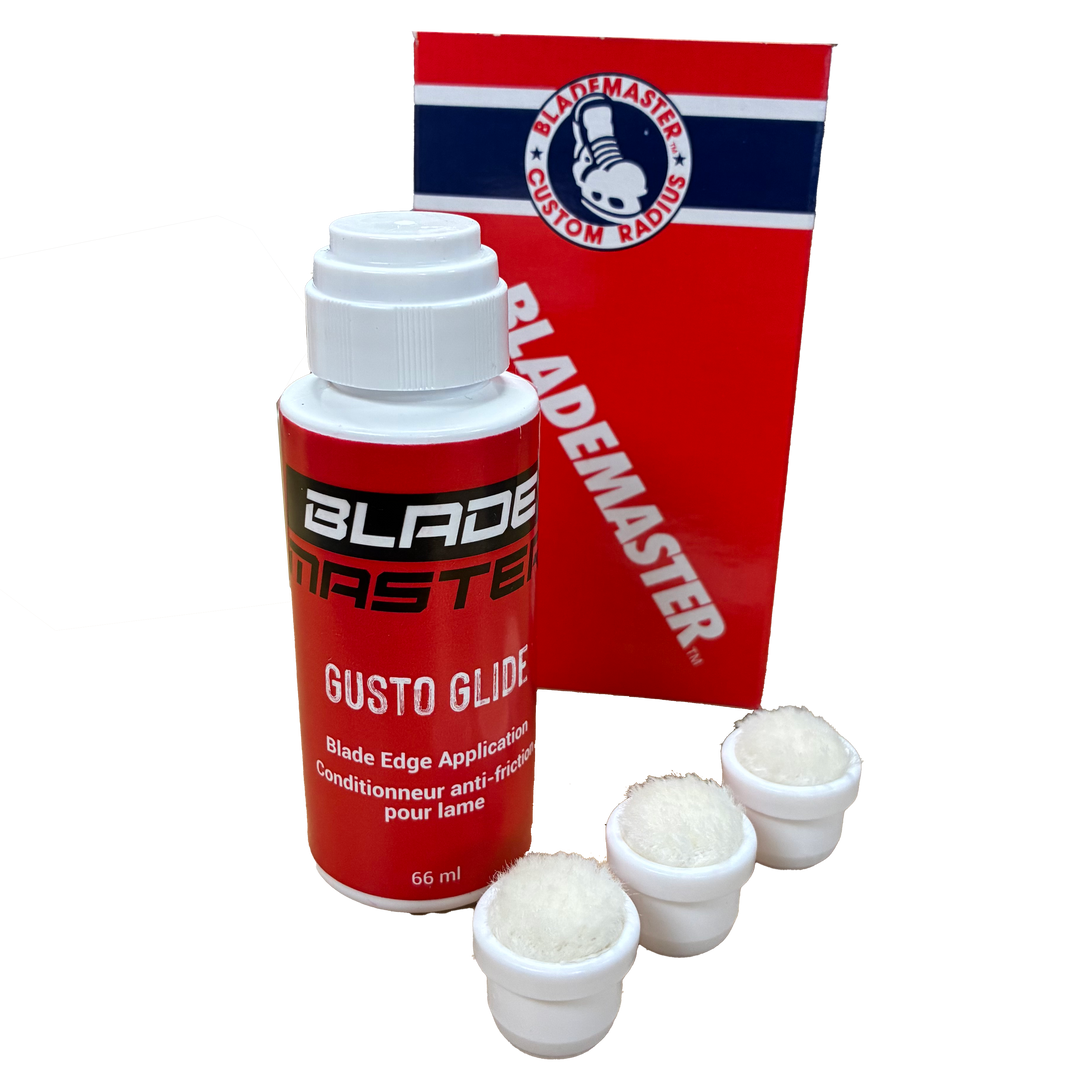
Skate Profiling FAQs
What is the difference between skate profiling and skate sharpening?
Skate sharpening creates the hollow and edges on the bottom of the blade, while skate profiling changes the shape of the blade along its length. Sharpening affects grip and glide, while profiling affects balance, agility, stability and skating mechanics.
Do new skates need profiling?
Many new skates come with a factory profile, but not all players find the stock profile ideal for their skating style or position. Some players choose to have their skates profiled to achieve specific performance characteristics.
How often should hockey skates be profiled?
Unlike sharpening, profiling is not typically performed on a regular schedule. Many players only profile their skates when setting up new steel, replacing runners, restoring lost blade geometry, or making changes to their skating preferences.
Does sharpening change the skate profile?
Over time, repeated sharpening removes steel from the blade. While a single sharpening has minimal impact, hundreds of sharpenings can gradually alter the original blade profile. Profiling can restore the intended shape of the blade.
Can profiling improve skating performance?
Profiling can affect how a skate feels on the ice by changing blade contact length, balance point and skating posture. The right profile may help a player achieve their preferred combination of stability, agility, acceleration and control.
What is a single-radius profile?
A single-radius profile uses one consistent radius along the length of the blade. Examples include common profiles such as 9', 10' or 11' radii.
What is a combination or multi-radius profile?
A combination profile uses two or more radii along different sections of the blade. These profiles are designed to blend characteristics such as agility, stability and speed.
Can goalies, figure skaters and hockey players all be profiled?
Yes. Different skate types can be profiled, although the profiling methods and objectives vary depending on the sport and the skater's requirements.
Is profiling only for elite players?
No. While profiling is common among professional and competitive players, recreational players can also benefit from a profile that better matches their skating style and preferences.
What equipment is used for skate profiling?
Skate profiling requires specialized profiling or contouring equipment that reshapes the blade geometry. This equipment is different from standard skate sharpening machines, which are designed to create and maintain the hollow and edges.
Can profiling fix a skating problem?
Answer: Sometimes. Players who feel unstable, struggle with balance, feel like they're falling forward or backward, or want different on-ice characteristics may benefit from a profile change. However, profiling is highly individual, and the best profile depends on the player, position, skating style and personal preference.